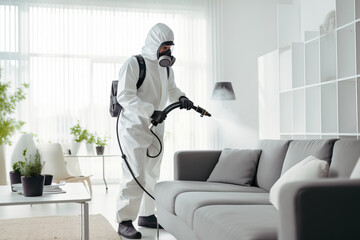
Discovering pests inside your home can instantly disrupt your peace of mind. Whether it is ants in the kitchen, cockroaches in the bathroom, rodents in the attic, or bed bugs hiding in furniture, the thought of an infestation often leaves homeowners feeling anxious and overwhelmed. Scheduling a pest control treatment is an important step toward restoring comfort and cleanliness, but many people are unsure how to prepare their homes before the treatment begins.
Proper preparation plays a major role in the success of pest control services. Even the most effective treatments may not work as expected if the home is not ready beforehand. Preparing correctly allows pest control professionals to access problem areas, apply treatments safely, and improve the overall effectiveness of the process. It also helps protect children, pets, food items, and personal belongings during and after the treatment.
Understanding what to do before pest control treatment can make the experience smoother, safer, and far more successful for homeowners and their families. Click Here to learn more.
Why Preparation Matters Before Pest Control Treatment
Many homeowners assume pest control begins and ends with applying products around the home, but preparation is one of the most important parts of the process. Pest control treatments are designed to target areas where pests hide, travel, and reproduce. If these areas are blocked by clutter, furniture, or stored items, treatments may not reach the infestation effectively.
Preparation also improves safety. Pest control products should not come into contact with exposed food, dishes, toys, or pet supplies. Taking the time to secure these items reduces unnecessary exposure and creates a cleaner treatment environment.
Another important reason for preparation is pest behavior. Many pests hide in dark, cramped spaces where they feel protected. Clearing these areas allows professionals to inspect the property more thoroughly and identify hidden infestation sites that may otherwise go unnoticed.
When homeowners follow preparation guidelines carefully, pest control treatments are usually more efficient and produce longer lasting results.
Clean and Organize the Home Before Treatment
One of the first things homeowners should do before pest control treatment is clean and organize the home thoroughly. Pests are often attracted to food crumbs, spills, standing water, and cluttered spaces. Cleaning these areas helps reduce hiding spots and improves treatment effectiveness.
Kitchen surfaces should be wiped down carefully, especially around appliances and cabinets where crumbs may collect. Floors should be vacuumed and mopped to remove food debris that could attract insects or rodents. Trash bins should be emptied, and garbage should not remain indoors for long periods before treatment.
Bathrooms and laundry areas also deserve attention because moisture attracts many common pests. Fixing leaks, drying damp surfaces, and reducing excess humidity can help support long term pest prevention.
Organizing clutter is equally important. Piles of cardboard boxes, paper, clothing, and storage items often provide shelter for pests. Removing unnecessary clutter allows pest control professionals to inspect and treat hidden areas more effectively.
Store Food and Kitchen Items Properly
Food safety is one of the most important concerns during pest control treatment. Homeowners should always store food items securely before treatment begins. Exposed food, open containers, fruits, and snacks should be sealed or placed inside refrigerators and cabinets.
Dishes, utensils, and cookware may also need to be covered or stored away depending on the type of treatment being used. Kitchen counters should remain as clear as possible to allow easy access for inspection and application.
Pet food requires the same level of attention. Open pet food bowls should be removed temporarily, and pet treats should be sealed securely to avoid contamination. Water bowls are usually emptied before treatment and replaced afterward.
These simple precautions help create a safer environment for everyone living in the home while also preventing pests from accessing food sources after treatment.
Move Furniture and Access Hidden Areas
Many pests hide behind furniture, under appliances, inside cabinets, and along baseboards. Creating access to these spaces allows pest control professionals to treat problem areas more thoroughly.
Furniture may need to be moved slightly away from walls so treatments can reach cracks, corners, and entry points. Beds, couches, refrigerators, and storage shelves are common areas where pests hide unnoticed.
Homeowners dealing with bed bugs may receive additional instructions involving mattresses, bedding, and furniture preparation. In some cases, linens and clothing must be washed and dried at high temperatures before treatment.
Closets and storage rooms should also be organized enough to allow inspection access. Overcrowded spaces make it difficult to detect nesting sites and hidden pest activity.
The more accessible the treatment areas are, the more successful the pest control process is likely to be.
Protect Children and Pets During the Process
Families with children and pets should take extra precautions before pest control treatment. Children are naturally curious and often touch surfaces throughout the home, while pets may lick floors or investigate unfamiliar smells after treatment.
Before treatment begins, toys, pet bedding, and feeding supplies should be removed from treatment areas. Aquariums may need to be covered temporarily, and some treatments may require pets to leave the home for several hours.
Homeowners should always ask pest control professionals how long children and pets should remain away from treated areas. Some treatments dry quickly and allow faster reentry, while others require more ventilation and waiting time.
It is also important to communicate any household sensitivities or medical concerns before treatment begins. This allows professionals to choose safer or lower toxicity options when appropriate.
Taking these precautions helps ensure the treatment process remains both safe and effective for the entire household.
Understand the Type of Pest Being Treated
Different pests require different preparation methods. Understanding the specific pest problem can help homeowners prepare more effectively before treatment day arrives.
For example, cockroach treatments often focus heavily on kitchens and bathrooms because these pests are attracted to moisture and food residue. Rodent control may involve inspecting attics, basements, garages, and wall spaces where mice or rats hide.
Bed bug treatments usually require extensive preparation involving laundry, vacuuming, and furniture organization because these pests spread easily through fabric and furniture. Termite treatments may involve preparing exterior areas around the foundation of the home.
Knowing what type of pest is being treated allows homeowners to focus their efforts on the most important areas of the property. Pest control professionals often provide preparation checklists tailored to the infestation being addressed.
Following these instructions carefully improves the chances of successful pest elimination.
Avoid Cleaning Treated Areas Too Soon
One mistake homeowners sometimes make is cleaning too aggressively immediately after pest control treatment. While cleanliness is important before treatment, certain treated surfaces should remain untouched afterward for a specific period of time.
Some products require time to remain active so pests continue coming into contact with treated areas. Washing floors, wiping baseboards, or vacuuming immediately after treatment may reduce effectiveness.
Professionals usually provide specific aftercare instructions regarding when normal cleaning can resume. These instructions vary depending on the products used and the type of infestation being treated.
Ventilation is often recommended after treatment, especially if strong odors are present. Opening windows and improving airflow can help freshen indoor spaces while still allowing treatments to work properly.
Understanding post treatment guidelines is just as important as preparing beforehand because it supports long term pest control success.
Prepare Outdoor Areas If Necessary
Certain pest control treatments involve both indoor and outdoor applications. Exterior preparation can be especially important for pests like ants, mosquitoes, termites, and rodents that enter the home from outside environments.
Homeowners may need to trim vegetation away from the home, remove debris, and clear access around foundations and exterior walls. Standing water should also be eliminated because it attracts insects and supports breeding activity.
Garages, sheds, patios, and storage areas may require organization as well. Outdoor clutter often creates hiding spots for pests and can interfere with inspections or treatments.
Maintaining outdoor cleanliness helps reduce the risk of pests returning after treatment is completed. Long term prevention often depends on addressing both indoor and outdoor conditions that attract infestations.
Communicate With the Pest Control Professional
Good communication is one of the most valuable parts of the pest control process. Homeowners should feel comfortable asking questions before treatment begins. Understanding what products will be used, which areas will be treated, and how long precautions should remain in place helps reduce uncertainty and confusion.
Professionals should also be informed about any concerns related to children, pets, allergies, or previous pest activity. Sharing details about where pests have been seen most frequently can help technicians target treatments more accurately.
If homeowners are unsure about preparation instructions, asking for clarification is always recommended. Proper communication ensures both safety and treatment effectiveness throughout the process.
Final Thoughts
Preparing your home before pest control treatment is an important step that directly affects the success of the service. Cleaning, organizing, storing food properly, and creating access to hidden areas all help treatments work more effectively. Protecting children and pets while following professional instructions also ensures a safer experience for everyone inside the home.
Different pests require different preparation methods, which is why understanding the specific infestation is so important. Homeowners who take the time to prepare carefully often experience better results and fewer recurring pest problems in the future.
Pest control is not only about eliminating insects or rodents but also about creating a cleaner, healthier, and more comfortable living environment. With proper preparation and ongoing prevention efforts, homeowners can enjoy greater peace of mind and long term protection against unwanted pests.