Carpets are one of the most comfortable and visually appealing features of any indoor space. They add warmth, reduce noise, and make rooms feel inviting. However, carpets also act like giant filters, trapping dust, allergens, bacteria, pet dander, and debris deep within their fibers. Many property owners assume that regular vacuuming is enough to maintain cleanliness. While vacuuming is essential, it is not the same as deep Carpet Cleaning Lehi. Understanding the real difference between deep carpet cleaning and regular vacuuming can help you protect your investment, improve indoor air quality, and extend the life of your flooring.
If you’ve ever wondered whether vacuuming alone is sufficient or if professional carpet cleaning services are truly necessary, this guide breaks it down in clear, practical terms.
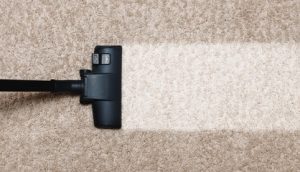
What Regular Vacuuming Actually Does
Regular vacuuming is the first line of defense in carpet maintenance. It removes loose surface dirt, crumbs, pet hair, and dust that accumulate daily. When performed consistently, vacuuming prevents debris from settling deeper into carpet fibers.
A standard vacuum cleaner uses suction to lift particles from the surface and slightly below. High-quality vacuums may also include rotating brushes that agitate the fibers, loosening dirt before suction removes it. This routine maintenance is critical because it reduces the amount of soil that can grind into carpet fibers and cause premature wear.
However, vacuuming addresses surface-level contaminants primarily. It does not effectively remove deeply embedded dirt, oils, bacteria, or stains that settle below the top layer. Over time, these deeper contaminants accumulate, even in homes or commercial spaces that are vacuumed frequently.
Vacuuming is best viewed as daily or weekly upkeep—not a complete cleaning solution.
What Deep Carpet Cleaning Involves
Deep carpet cleaning, often referred to as professional carpet cleaning or hot water extraction, goes far beyond surface maintenance. It is a more intensive process designed to remove deeply embedded dirt, allergens, bacteria, and residues trapped within carpet fibers and padding.
Unlike vacuuming, deep cleaning uses specialized equipment and cleaning solutions to penetrate the carpet pile. The process typically involves applying a cleaning solution to break down dirt and oils, followed by high-powered extraction that removes contaminants along with moisture.
Deep carpet cleaning addresses issues that vacuuming simply cannot resolve, including:
- Embedded allergens such as dust mites and pollen
- Stubborn stains from spills, pets, and foot traffic
- Odors caused by moisture, bacteria, or pets
This method restores carpets to a cleaner, fresher state and helps maintain their appearance and structural integrity.
Surface Cleaning vs. Deep Extraction: The Core Difference
The primary difference between regular vacuuming and deep carpet cleaning lies in the depth of cleaning.
Vacuuming removes loose debris from the surface and upper layer of carpet fibers. It is preventive and routine. Deep carpet cleaning, on the other hand, extracts dirt and contaminants from the base of the carpet pile and sometimes even the padding beneath.
Think of vacuuming as brushing your teeth daily. It keeps things tidy and reduces buildup. Deep carpet cleaning is like a professional dental cleaning—it removes plaque and tartar that daily brushing cannot eliminate.
Without periodic deep cleaning, carpets can look clean on the surface while harboring hidden contaminants below.
Impact on Indoor Air Quality
Carpets naturally trap airborne particles. While this can prevent dust from circulating freely, it also means carpets become reservoirs for allergens and pollutants. Every time someone walks across the carpet, particles can be released back into the air.
Regular vacuuming helps reduce surface dust, but it does not eliminate microscopic allergens deeply embedded within fibers. Over time, these allergens can contribute to respiratory issues, allergy flare-ups, and general discomfort.
Deep carpet cleaning significantly improves indoor air quality by extracting trapped particles at their source. This is particularly important in environments with:
- Pets
- Children who play on the floor
- Individuals sensitive to allergens
For property owners concerned about health and cleanliness, deep carpet cleaning plays a critical role beyond simple appearance.
Stain Removal: Why Vacuuming Isn’t Enough
Spills and stains are inevitable. Whether from beverages, food, mud, or pets, stains can quickly become permanent if not properly treated. Vacuuming cannot remove liquid spills or the residues left behind once they dry.
When liquids seep into carpet fibers, they bond with the material. Over time, untreated stains can oxidize, darken, and become increasingly difficult to remove. Additionally, moisture trapped beneath the surface can lead to odors or even mold growth.
Deep carpet cleaning uses targeted solutions designed to break down stain molecules and lift them from fibers. Professional-grade equipment also ensures that excess moisture is thoroughly extracted, reducing the risk of lingering dampness.
For anyone dealing with recurring stains or persistent discoloration, deep cleaning is the more effective solution.
Longevity and Carpet Protection
Carpet is a significant investment. Replacing it can be costly and disruptive. Dirt and debris that settle deep within carpet fibers act like sandpaper. As people walk across the surface, these particles grind against fibers, causing them to fray and deteriorate.
Vacuuming removes some abrasive particles, but it cannot eliminate everything. Over time, accumulated soil weakens the structure of the carpet.
Deep carpet cleaning helps extend the lifespan of flooring by removing embedded grit and restoring fiber resilience. Property owners who schedule periodic deep cleaning often find that their carpets maintain their texture, color, and comfort for much longer.
In the long run, investing in professional carpet cleaning services can delay the need for replacement and protect overall property value.
Frequency: How Often Is Each Needed?
Understanding how often to vacuum versus deep clean is essential for proper maintenance.
Regular vacuuming should be done consistently. High-traffic areas may require vacuuming several times per week, while less-used spaces may only need weekly attention.
Deep carpet cleaning is typically recommended every 6 to 12 months, depending on factors such as:
- Foot traffic levels
- Presence of pets
- Indoor air quality concerns
- Visible staining or odors
Commercial properties or busy households may require more frequent deep cleaning to maintain cleanliness and professionalism.
Balancing both methods ensures optimal carpet care.
Cost Considerations
At first glance, vacuuming appears far more affordable. Once you purchase a vacuum cleaner, the ongoing cost is minimal. Deep carpet cleaning, especially when performed by professionals, involves service fees.
However, focusing solely on upfront cost can be misleading. Without periodic deep cleaning, carpets may wear out faster, require replacement sooner, or develop stubborn stains that reduce aesthetic appeal.
When comparing the two, consider long-term value rather than short-term expense. Deep cleaning can help avoid larger costs associated with premature carpet replacement or remediation of mold and odors.
In many cases, combining routine vacuuming with scheduled professional carpet cleaning offers the best financial outcome over time.
Odor Control and Freshness
Carpets can trap odors from cooking, pets, smoke, and everyday living. While vacuuming removes loose debris, it does little to neutralize odors embedded deep within fibers.
Odors often originate from bacteria breaking down organic matter trapped in the carpet. Surface cleaning alone does not eliminate these sources.
Deep carpet cleaning targets odor-causing contaminants directly. By extracting bacteria and residue, it restores freshness more effectively than vacuuming or surface treatments alone.
For property owners preparing for events, inspections, or seasonal cleaning, deep cleaning provides noticeable improvements in overall atmosphere.
Equipment and Expertise Differences
Another significant difference lies in the equipment used. Household vacuums are designed for routine maintenance. While effective for surface debris, they lack the power and specialized attachments necessary for deep extraction.
Professional carpet cleaning equipment uses high-pressure systems, advanced agitation methods, and powerful suction to achieve deeper results. In addition, trained technicians understand fiber types, appropriate cleaning solutions, and proper drying techniques.
Using the wrong cleaning method or excessive moisture can damage carpets. Professional services minimize this risk while delivering more thorough results.
When Vacuuming Is Enough
There are situations where regular vacuuming may be sufficient. For example, in low-traffic areas with minimal exposure to dirt or spills, consistent vacuuming may maintain appearance between deep cleaning appointments.
Vacuuming is especially effective for:
- Removing visible debris
- Maintaining neatness between cleanings
- Reducing daily dust accumulation
However, even in these cases, deep carpet cleaning should not be permanently avoided. It remains an essential part of long-term carpet care.
When Deep Carpet Cleaning Is Necessary
Certain signs clearly indicate the need for deep carpet cleaning services:
- Persistent odors that do not improve after vacuuming
- Visible stains that remain after spot treatment
- Increased allergy symptoms indoors
- Matted or dull carpet fibers
- Discoloration in high-traffic areas
Ignoring these warning signs can lead to more significant problems, including permanent staining or microbial growth.
The Ideal Carpet Maintenance Strategy
Rather than viewing vacuuming and deep carpet cleaning as competing methods, it is more helpful to see them as complementary components of a complete maintenance plan.
A balanced strategy includes:
- Consistent vacuuming to manage daily dirt
- Immediate spot treatment of spills
- Scheduled deep carpet cleaning for thorough restoration
This layered approach ensures carpets remain visually appealing, hygienic, and structurally sound.
Final Thoughts: What’s the Real Difference?
The real difference between deep carpet cleaning and regular vacuuming comes down to depth, effectiveness, and long-term results. Vacuuming is essential for routine upkeep and surface cleanliness. Deep carpet cleaning addresses the hidden contaminants that vacuuming leaves behind.
Both methods are important, but they serve different purposes. Skipping regular vacuuming allows dirt to accumulate quickly. Skipping deep cleaning allows unseen buildup to compromise carpet health and indoor air quality.
For property owners who want cleaner, fresher, and longer-lasting carpets, combining both approaches is the smartest solution. Regular maintenance paired with professional carpet cleaning services ensures that carpets do more than just look clean—they truly are clean from the surface down to the fibers beneath.
By understanding the difference and scheduling maintenance accordingly, you can protect your investment, enhance comfort, and create a healthier indoor environment for everyone who walks through your doors.